
Enhancing MRO Training with Virtual Reality & Augmented Reality
Introduction
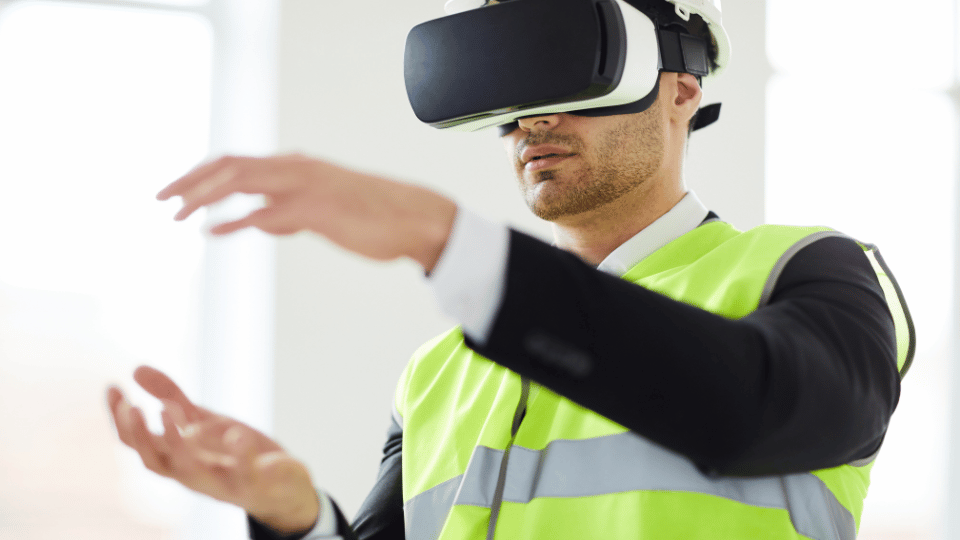
As modern aircraft become more advanced, aviation maintenance teams need training methods that keep pace with technology. Traditional, classroom-only instruction is no longer enough to prepare technicians for complex systems, tight turnaround times, and increasing regulatory expectations. That’s why Virtual Reality (VR) and Augmented Reality (AR) are quickly transforming MRO training. These immersive tools help technicians learn faster, reduce errors, and build real-world confidence—without requiring aircraft downtime.
Why VR & AR Are Transforming MRO Training
VR and AR bring hands-on learning into a controlled, repeatable, and cost-effective environment. VR immerses trainees in realistic aircraft simulations, allowing them to explore systems and practice tasks without physical risk. AR, meanwhile, overlays digital instructions and diagrams onto real-world components, guiding technicians step-by-step through complex procedures.
Together, these tools help MRO teams:
Practice high-risk or rarely performed procedures safely
Visualize difficult mechanical concepts
Train multiple technicians at once, regardless of location
Reduce dependency on aircraft asset availability
Key Advantages of VR/AR for MRO Teams
Immersive training delivers measurable performance improvements:
Faster learning curves through experiential repetition
Standardized training quality, regardless of instructor
Reduced maintenance errors with AR-guided workflows
Smoother onboarding for new technicians
Improved retention, since hands-on learning is more memorable
Remote supervision, enabling senior engineers to coach from anywhere
These advantages directly align with aviation staffing and workforce shifts highlighted in Top Trends Shaping Aviation Recruitment in 2025. As competition for skilled labor grows, companies must offer modern tools that appeal to digital-native technicians—supporting hiring strategies found in How to Attract Top Aviation Talent in a Competitive Market. VR/AR technologies also complement digital workforce optimization methods discussed in AI-Powered Optimization for MRO Task Scheduling & Technician Assignment.
Real-World Use Cases in Aviation Maintenance
Aviation organizations already use VR and AR for:
Engine teardown practice without needing a physical engine
AR-assisted wiring and avionics troubleshooting
Virtual safety drills, including FOD scenarios and human-factors training
Procedure walk-throughs for inspections, repairs, and component replacements
These tools allow technicians to rehearse procedures repeatedly—before ever touching an aircraft.
How VR/AR Strengthen Your Staffing & Workforce Strategy
Immersive training helps aviation companies build a more capable, tech-ready workforce. VR/AR reduces onboarding time, ensures consistent skill levels, and makes organizations more attractive to top-tier technicians who value modern tools. For companies working with an aviation staffing firm, immersive training increases the readiness and long-term success of new hires.
Conclusion
VR and AR are reshaping how MRO teams learn, work, and grow. By adopting immersive training, aviation organizations can enhance technician performance, reduce errors, and build a future-ready workforce.
If you're seeking skilled, tech-savvy aviation talent, partnering with a trusted aviation staffing agency can help you stay ahead of industry demands.